
Patriot Tech Services Inc. Blog
Patriot Tech Services Inc. has been serving the Wheelersburg area since 2006, providing IT Support such as technical helpdesk support, computer support, and consulting to small and medium-sized businesses.

Windows is perhaps the most widely-used computing tool in the workplace, and as such, it remains a huge target for hackers of all kinds. Criminals are always trying to uncover vulnerabilities in the operating system, but this time around, Microsoft has truly outdone themselves. Windows 10’s built-in security, according to hackers at the Black Hat conference in Las Vegas, allows for the most secure Windows operating system in several years.
0 Comments

The Internal Revenue Service is one organization that you don’t want to mess with. Thanks to their antics filing fraudulent tax returns through the often-exploited Get Transcript site managed by the IRS, Anthony and Sonia Alika have to do some time in the slammer; and that’s not even mentioning what they have to pay the IRS in restitution.
You’ve heard it said that it’s a best security practice to routinely change your passwords. The idea here is that, if a password were stolen, then it would lose its value when the user goes to change it. While this sounds like solid logic, new research shows that it may actually be better NOT to change your passwords.
This may be a hard pill to swallow for IT administrators who have always required users to change their passwords every few months or so. However, seeing as this practice could make accounts less secure, it’s worth considering.
The idea behind this theory is that, whenever a user goes to change their password, they’re often rushed or annoyed and end up creating a new password that’s less secure. The Washington Post puts it like this: “Forcing people to keep changing their passwords can result in workers coming up with, well, bad passwords.”
Think about it, how often have you changed your password, only to change it from a complex password to one that’s easier to remember? Or, have you ever kept the same password and just added a number at the end of your new password? This covert move will do little to deter a hacker. Carnegie Mellon University researched this topic and found that users who felt annoyed by having to change their password created new passwords that were 46 percent less secure.
Plus, let’s consider the hypothetical situation of a hacker actually stealing your password. Truth be told, once they’ve gotten a hold of your login credentials, they’ll try to exploit the password as soon as they can. If they’re successful, they’ll pose as you and change the account’s password, thus locking you out of it. In an all-too-common situation like this, the fact that you’re scheduled to change your password at the end of the month won’t change anything.
Additionally, ZDNet points out yet another way that regularly changing passwords can make matters worse: “Regularly changed passwords are more likely to be written down or forgotten.” Basically, having a password written down on a scrap piece of paper is a bad security move because it adds another way for the credentials to be lost or stolen.
Whether you do or don’t ask employees to change their passwords is your prerogative. However, moving forward it would be in everybody’s best interest to focus on additional ways to secure your network, instead of relying solely on passwords. This can be done by implementing multi-factor authentication, which can include SMS messaging, phone calls, emails, and even biometrics with passwords. With additional security measures like these in place, it won’t matter much if a hacker stole your password because they would need additional forms of identification to make it work.
To maximize your company’s network security efforts, contact Patriot Tech Services Inc. at (877) 874-4629.
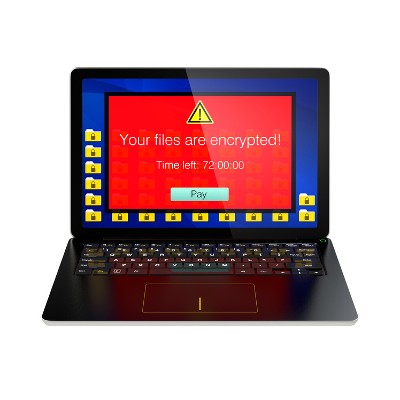
Ransomware, the malware variant that has appeared more and more frequently has struck again, this time targeting users of Microsoft Outlook in a zero-day attack. A malware variant of Cerber (a ransomware) was recently utilized in a large scale attack on users of the messaging program, sent via phishing emails to corporate users.

Security professionals have been at war with hackers ever since the Internet was created, but a recent NATO decision has affirmed the fact that cybersecurity is a real-world problem, and one that needs to be fixed. Just like land, air, and sea, cyberspace has become a battlefield, albeit a very different kind of battlefield.

Storing physical files has been an important part of the office infrastructure for a very long time, and for good reason: every organization has some information they have to store. Traditionally, files were stuffed into folders and catalogued in a file cabinet for “easy” access. This is how many offices still look like, but when it was time to move files, it took a lot of work. Now, since many files are stored electronically, there are many shortcuts that you can take to improve the way you move your files.

Memes are deeply rooted into today’s online culture. Thanks to the Internet, even the most absurd things can quickly gain popularity through social media and online forums. While they might seem silly and pointless, it would be foolish to dismiss them as wastes of time; especially considering how popular they are. If you are looking for a creative way to get your name and brand out there, why not try using memes?

When shopping for a cloud solution, you’re routinely bombarded with a ton of impressive-sounding features that act as selling points. One feature that you’ve probably come across, autoscaling, may not be able to fully deliver on its perceived promises.

27 vulnerabilities: The amount of vulnerabilities that were resolved with the round of security patches in Microsoft’s latest Patch Tuesday. Windows, Microsoft Office, Internet Explorer, the Edge browser, and more, were all affected. It’s important to patch these vulnerabilities as soon as possible, especially if you haven’t done so already.
Every budget-minded business owner is always on the lookout for deals, especially when it comes to technology. The quest to save money might cause one to consider buying used computer equipment, which could work out great, or it could be disastrous, depending on a multitude of factors. If you’re serious about purchasing used computer equipment, then take into consideration these four tips.

The Petya ransomware, a particularly vicious monster of a threat, has reared its ugly head once again, only this time, it’s not alone. Petya now comes bundled together with Mischa, yet another ransomware that works well alongside Petya. The ransomware is delivered via an inconspicuous email disguised as a job application, with a resume attached. Once the user downloads the file, Petya encrypts the files located on the device.

Sharing your Netflix password with a friend so they too can enjoy a vast catalogue of movies seems harmless enough. However, due to a recent ruling by judges of the Ninth Circuit of the United States Court of Appeals, this common action is now a federal crime.

With today’s great technology solutions, working remotely is no longer just a dream. Many businesses have either a partial or a complete remote staff, and it’s all held together by modern technology solutions. However, even with the latest tech, the remote worker still has to invest in their own success.

While security experts tend to focus the brunt of their discussions on desktop OS vulnerabilities, there are plenty of mobile malware threats that fly under the radar. One such malware is called Hummer; a trojan that installs unwanted apps and malware on a device, and can be found on over a million phones worldwide.

Windows 10 has been gaining traction in the workplace, but to see a different side of the value that Microsoft’s latest operating system provides, let’s look to the exact opposite of the workplace: recreation. Specifically, Windows 10 has gained in popularity amongst PC gamers, reaching almost half of the total user base of Steam, the PC gamer’s cloud-based preferred gaming solution.

When was the last time that you ran into a problem that was easily solvable, simply by restarting your computer or unplugging a device from the wall, then plugging it back in? Often times, simple troubleshooting tactics can be enough to resolve a problem, but more often than not, there are issues that can’t be easily resolved. It’s these ones that hold businesses back, and we’re here to help.

Augmented reality is a growing trend in the technology industry, and perhaps one of the best known uses of it today can be found in the extremely popular mobile device app, Pokemon Go. However, hackers have seized the opportunity to infect players who want to “catch ‘em all” with a backdoor called DroidJack - something that certainly won’t help gamers “be the very best.”

How often does your technology experience trouble? If your business is constantly dealing with technical hiccups, your assets that are meant to be a boon to your organization, can quickly become a nuisance that holds you back. How can you take better care of your technology, and use it to usher in a new era of productivity?

When money is tight and you start feeling down about your financial situation, it’s important to keep the big picture in mind. This can be done by reviewing your net worth. Plus, if you go so far as to track your net worth, then you’ll constantly have this big picture before you. This will help you to worry less and allow you to better focus on your goals.

Mobility is proving to be a major pain point for businesses, especially when it comes to implementing new technology solutions. It’s become crucial to consider how mobility can influence the growth of your business and improve operations, particularly with the cloud gaining ground and mobile devices becoming omnipresent in the workplace. How will your business learn from this influx of mobility?
News & Updates
Businesses will often go into the process of self-improvement with unrealistic expectations for how much they can significantly improve their functionality. This simply is not true, and sometimes business owners need to realize that real change—the k...
Understanding IT
Get the Knowledge You Need to Make IT Decisions
Technology is constantly evolving, and keeping up can feel overwhelming. Whether you want to understand cybersecurity threats, explore automation, or learn how regulations like PCI DSS impact your business, we’ve made it easy to access clear, straightforward insights on key IT topics.
Contact Us
Learn more about what Patriot Tech Services Inc. can do for your business.
Patriot Tech Services Inc.
578 State Route 522
Wheelersburg, Ohio 45694