
Patriot Tech Services Inc. Blog
Patriot Tech Services Inc. has been serving the Wheelersburg area since 2006, providing IT Support such as technical helpdesk support, computer support, and consulting to small and medium-sized businesses.


When it comes to your business’ IT resources, who’s in charge? Do you have a CIO, or chief information officer, managing your IT decision-making, and do you have someone responsible for managing and maintaining your systems? If you don’t know the answer to either of these questions, then we need to have a conversation about your relationship with technology management.
0 Comments

There will come a time when your business will need to acquire hardware like monitors, server units, workstations, networking components, and other technology. It is your responsibility as a business owner to make educated decisions about how you go about upgrading your gear, but it’s not always immediately obvious what the correct path forward is.
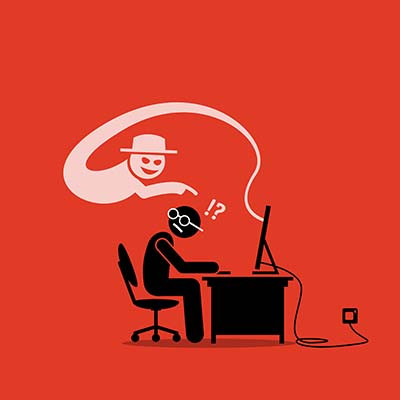
There’s no way around it; ransomware is bad stuff, plain and simple. The first half of 2021 saw a massive increase in ransomware attacks that made the lives of countless individuals and business professionals difficult. However, a new trend is surfacing, and it’s one that you might be surprised to see: fake ransomware threats.

Whenever your technology is involved in your business processes, it is important that you abide by best practices to see the most effective results. Let’s run through the most effective practices that you should reinforce in your operations.

With productivity being a massively important metric for every business, situations like the ongoing COVID-19 pandemic create a lot of fear and uncertainty; especially with businesses having to find new ways to go about doing things so that they can keep revenue coming in. This week, we thought we’d take a minute to look into how businesses have made it this far and how each element of a business has had to react to the ongoing crisis.
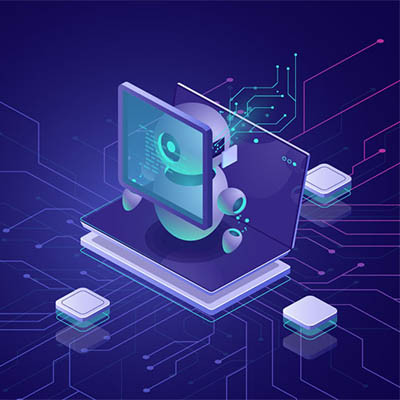
Many companies have been in business for so long that they still utilize legacy applications for specific purposes within their computing infrastructure. There simply might not be a better option at the time, so they continue to rely on software that is, quite frankly, showing its age, including the server software that runs their business. Virtual machines offer these organizations the opportunity to still leverage these applications without the inherent risk that comes from using unsupported software.
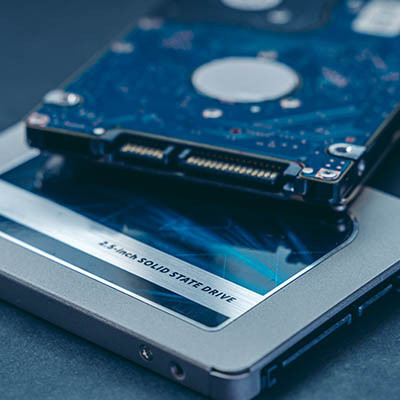
When you’re on the hunt for some new technology, you have to sort through the options available to you to find what’s best for your use case. One of these decisions is what type of hard drives are installed in new workstations, laptops, and servers. Today, we will go through the two main types of hard drives and what they are good for.

When it comes to implementing new technology solutions, it’s easy to get distracted by all of the great possibilities and miss all of the challenges that it represents. The cloud in particular represents countless chances to improve operations and enhance efficiency, but the side of this is that there are many issues that could arise during the cloud migration process. Let’s consider some of these challenges and how we can help you get around them.
Efficiency is king in the business world. In order to reach optimal productivity, organizations are always aiming to prevent operational issues, eliminate unnecessary costs, and cut down on anything that keeps them from reaching their goals. Technology is a major tool in this effort, offering solutions that can enhance productivity, automate processes, facilitate collaboration, and maintain critical systems. All of this and more can be done by working with a great IT services provider.
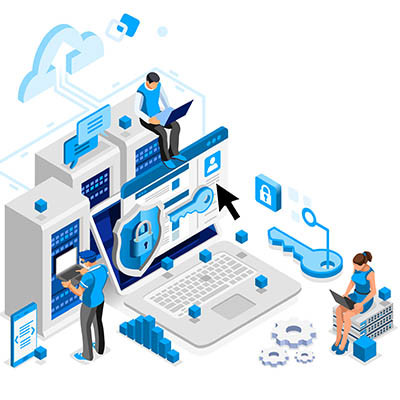
Whether you are just a fledgling small business just trying to get your feet off the ground or a larger-scale enterprise with a multitude of clients, one thing will always remain the same: in today’s business world, the cloud is king, and it has the potential to change the way that your business operates for the better.

With every business having at least some revenue generation in their list of priorities, it is important that an organization understands how technology can help eliminate inefficiency through improved collaboration and productivity. Let’s consider a few modern tools and solutions that can help a business as it strives towards its goals.

As most people know, data backup is important, and when things go wrong you’ll be glad your business has it. The thing is, it’s not enough to have a copy of your data when you need to restore it, you’ll also need a recovery strategy. This is because getting your data back working for you is arguably as important as any other part of the process. Today, we’ll take a look at data recovery strategies that will get your business back on track after a disaster.

If there is one thing that you could take away from our blog it is that data backup is an integral part of any business continuity strategy. Unfortunately, there are so many different parts to it that it’s not surprising some data could slip through the cracks if not maintained properly. If you’re not actively taking measures to keep disasters from derailing your business’ progress, you stand to lose more than some data. Let’s take a look at some of the critical parts of a data backup and disaster recovery process and why it is essential to give them a test regularly.

The realities of the past year have made some businesses look to adjust their operational strategies. Many businesses that are, look to technology deployments as a way to make these adjustments. If the deployments don’t go as planned, however, it can have a major impact on business operations.

Everyone knows that printing is costly. They come from nearly every direction: paper, ink, machines that seemingly always need some type of maintenance, the list of costs goes on and on. Some businesses, looking to get away from rising printing costs, and from paper files in general, are starting to do their best to eliminate printing and filing costs. Let’s take a brief look at how going paperless can save your organization money in the long run.

It's no secret that small businesses are facing one of the toughest periods in decades. The COVID-19 pandemic and many other issues have made them change the way they approach operations, sales, and other aspects of their businesses. Today, they need to explore more strategies that can support customers who also have had to adapt. Today, we’ll talk about a couple of the trends we expect to see in IT in 2021.

Social media has turned out to be a culture-defining technology. The massive amounts of people that use the services each week, and the large amount of time people spend on these platforms, makes them important resources for the lion’s share of businesses. The fact that the average user spends around two hours and 24 minutes per day perusing their social media gives businesses opportunities that weren’t available to them only a few short years ago. Today, we thought we would give you a look at how different sizes of SMBs utilize this technology.

Over the past year, entrepreneurs have focused on how to do business during the global COVID-19 pandemic. The public health crisis has been an opportunity for fraudsters and hackers, and the result has been an increase in losses (compared to the second-worst period on record) by over 50 percent. Let’s consider the situation, and how it is—unfortunately—getting worse.

If there’s one trend that is going to continue having an impact on a business’ technology, it’s mobility. People are simply doing more while mobile, having the technology to shop, manage their finances, and yes, work productively. Let’s pause and consider how a small business could leverage this mobility to its benefit.

Many business owners understand the benefits that technology can have for a business, but just can’t bring themselves to commit to implementing that technology due to the cost, either in capital expenditures or in the shift in operations. The fear of not being able to successfully integrate certain technology will, over time, hold your business back. Today, we’ll describe why it’s essential to have a technology strategy, and how to stick to it.
News & Updates
Businesses will often go into the process of self-improvement with unrealistic expectations for how much they can significantly improve their functionality. This simply is not true, and sometimes business owners need to realize that real change—the k...
Understanding IT
Get the Knowledge You Need to Make IT Decisions
Technology is constantly evolving, and keeping up can feel overwhelming. Whether you want to understand cybersecurity threats, explore automation, or learn how regulations like PCI DSS impact your business, we’ve made it easy to access clear, straightforward insights on key IT topics.
Contact Us
Learn more about what Patriot Tech Services Inc. can do for your business.
Patriot Tech Services Inc.
578 State Route 522
Wheelersburg, Ohio 45694