
Patriot Tech Services Inc. Blog
Patriot Tech Services Inc. has been serving the Wheelersburg area since 2006, providing IT Support such as technical helpdesk support, computer support, and consulting to small and medium-sized businesses.

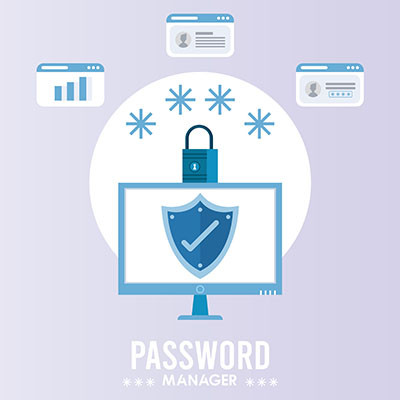
One of the reasons that information technology keeps changing is for the sake of the user and their convenience using it. However, if this convenience comes at the sacrifice of your business’ cybersecurity, it just isn’t worth it. This is the crux of why we always recommend that any organization seeking to use password management should invest in a reputable password management software, rather than the built-in capabilities of modern browsers.
0 Comments
Whether you love them or hate them, passwords serve an important purpose in the realm of cybersecurity. They are the first line of defense against potential threats, yet they are also notoriously easy to crack. Some of the biggest names in technology have been working on ways to get around the challenges presented by password security, including one that we are excited to highlight in today’s blog.
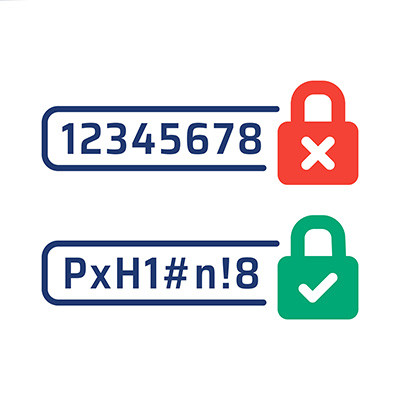
Simple passwords are often the bane of a business’ existence. If you routinely use strings like Password, 123456, Guest, or Qwerty to secure an account, then you need to reexamine your password practices before they lead to a data breach. A good password can go a long way toward helping you in this effort.
Passwordless authentication has been increasingly spoken of in favor of the typical password-based method, and is gaining traction the more it is talked about. Google recently took steps toward passwordless that we felt warranted some discussion.
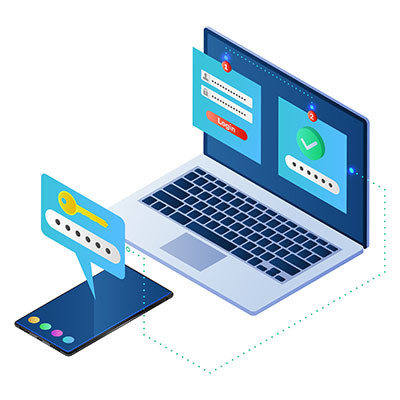
User authentication is a critical security feature for a business, specifically because it helps to minimize a significant threat to your business. This is why we’re so adamant that you should require multi-factor authentication wherever it is available… but is a better way to authenticate your users on the horizon?

Passwords have been a primary data security measure since 1960, when MIT researcher Fernando Corbató suggested the practice—although even he is reportedly slow to take full credit. Why? Well, if you ask Corbató (and his contemporaries, who were the first to implement passwords as we’d recognize them today), the security concerns were limited.
So, have we reached the point where it would be best to replace passwords as the default authentication measure?

Most accounts these days require a password of some sort, and as such, the average user has countless of these codes that need to be kept both secure and top-of-mind. Some web browsers have built-in password management tools to help make them more user-friendly, but with so much convenience involved, one has to ask whether or not these built-in management tools are as secure as they should be.

If I were to tell you that one variable was responsible for more than 80 percent of cyberattacks, what would you guess that variable was? If you guessed “stolen access credentials,” you’d be correct. The traditional username/password combination may soon be a thing of the past as more tech companies transition to alternative authentication measures.

The password is the core element of both data security and user authentication. This makes the construction of them extremely important to protecting digital assets. Unfortunately, not everyone understands how to construct passwords that actually work to protect the information on the other side. Today, we will discuss how to build a solid password that works to keep your digital resources safe.

Passwords… can be annoying, if we’re being honest. They are, however, also incredibly important to your business’ overall security strategy. We’ve all heard the suggestions on how to create secure passwords. As it turns out, there is more to modern security then that. Let’s explore a few options to help you create useful passwords, and take a look why passwords are only the beginning.

Passwords are always a major pain point for businesses, but in some industries, their importance is emphasized more than others. In particular, government-based organizations need to be prepared to keep more secure passwords. While we understand that not all organizations are government-based, there’s something to be said about proper password practices that we can all learn something from.

Passwords are all over the place these days, whether they’re required to access an online account, or access the devices used to open these accounts. While both types of passwords can make for ideal security conditions, this is only the case if the passwords are strong. If your passwords can be guessed by just about anyone, can you really call it a security measure? New insights from SplashData show that passwords aren’t being considered as much as they need to be.

As you may expect, the average Internet scammer isn’t above resorting to dirty tricks to claim their ill-gotten prize from their victims. A recent scam demonstrates just how dirty these tricks can truly be, and unfortunately, how ill-prepared many are to handle them.
Let’s be honest - not all of us have the best memories. This makes the ability for many browsers to remember our passwords seem like a godsend. However, is this capability actually a good thing for your cybersecurity? The answer may not surprise you.
What makes a password strong is the combination of different alphanumeric, special characters, and capitalization that you use, and of course the length of the password.
I don't know about you, but I don't want to remember and type an Epic Poem when I fill out a password field. And, ideally, I don't want to use the same password on many sites, because if one is compromised then my entire life is unlocked.
I want to show you here how to choose very strong passwords for every website that you use, that are different for each website, and are each only 9 characters in length max.
A study found that an 8-character password that's constructed in the manner I'm going to show you has 7.2 quadrillion different combinations, and will take 83.5 days to crack if the hacker can try 1 billion different passwords per second.
Despite the increasingly vast trust we put into the Internet to keep our personal and business information safe and secure, many users take their passwords very lightly. In an analysis studying over 32 million passwords from RockYou, a company that develops software for social networks, it's been discovered just how little effort is put in to keep things secure. The results are shocking.
News & Updates
Businesses will often go into the process of self-improvement with unrealistic expectations for how much they can significantly improve their functionality. This simply is not true, and sometimes business owners need to realize that real change—the k...
Understanding IT
Get the Knowledge You Need to Make IT Decisions
Technology is constantly evolving, and keeping up can feel overwhelming. Whether you want to understand cybersecurity threats, explore automation, or learn how regulations like PCI DSS impact your business, we’ve made it easy to access clear, straightforward insights on key IT topics.
Contact Us
Learn more about what Patriot Tech Services Inc. can do for your business.
Patriot Tech Services Inc.
578 State Route 522
Wheelersburg, Ohio 45694