
Patriot Tech Services Inc. Blog
Patriot Tech Services Inc. has been serving the Wheelersburg area since 2006, providing IT Support such as technical helpdesk support, computer support, and consulting to small and medium-sized businesses.


With a meager market share that is one-third the size of Google’s, one would think that Bing would be trying to keep controversy away from a user’s search results. However, the Microsoft search engine has recently encountered a few notable PR disasters that may be enough to convince some not to use it - especially if it leads to a security breach.
0 Comments
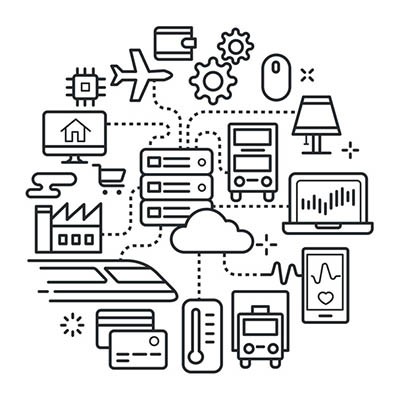
The Internet of Things is now made up of over 15 billion devices. 15 billion. This number includes both consumer devices in a home environment as well as business devices that are typically used in an office setting. As such, you cannot risk ignoring this phenomenon, whether it’s from a security standpoint or one of practicality. We’ll discuss the many ways the IoT is shaping business practices in today’s modern office.

Which database management system is running on your company’s server units? For end users, it’s not something that they put a whole lot of thought into. However, if you completely overlook your Microsoft SQL Server, you may end up running an expired version that puts your data at risk. Case in point, SQL Server 2005, which Microsoft recently ended support for.

Hackers have proven that they will do whatever it takes to get to your valuable assets, even if it means taking advantage of physical objects that work alongside a specific frequency. As it turns out, this is exactly how hacking a garage door works, and all it takes is a decade-old communications device to capture the frequency and unlock any garage door that utilizes it.
Most companies have to have a workforce, generally one of considerable size. Unfortunately, the more users you have, the more potential risks you run into. Of course, your workforce doesn’t collectively intend to be a security risk, but the digital world is a complicated place, with threats around every corner and malicious programs just waiting for your employed end-users to slip up. Here are ten such honest slip-ups to watch out for:

Businesses can benefit from the use of personal mobile devices in the workplace, yet there are also potential dangers in allowing mobile and Internet of Things devices to access your network. In order to reduce these dangers, you need to put some limits and guidelines on the use of such devices in the workplace.
In the last few months, there have been several high-profile data security breaches that resulted in the theft of millions upon millions of non-public information records. Though much of the focus in the aftermath of the breaches was on personal identity theft and prevention, it’s important to keep in mind that not all the stolen data records target individuals. Business entities are also at risk. Vendors and partners that you do business with regularly will probably have record of your company’s non-public information, payment information, or tax ID number.
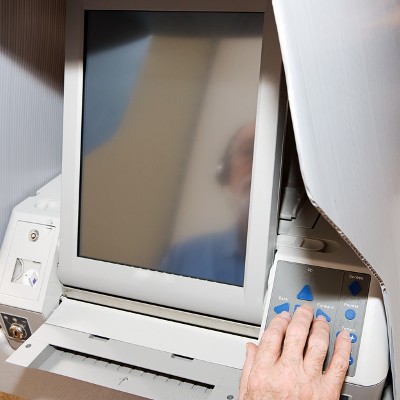
The 2016 United States presidential election was an ugly one for multiple reasons--chief among them the accusation that hacked voting machines could have altered the outcome of the election significantly. Thankfully, there are steps being taken to alleviate the worries that third parties might alter the outcome of such important events.

If you’ve watched the news lately, chances are you’ve seen the Equifax breach and the ridiculous fallout it has caused. Over 133 million personal records have been stolen. While it’s difficult not to feel individually victimized by such a breach, it’s important to remember that it’s often not your specific credentials targeted by hackers. Since businesses often hold onto valuable information, they have big crosshairs painted onto them. It doesn’t even stop there--any vendors or partners you deal with are also in danger of hacking attacks.
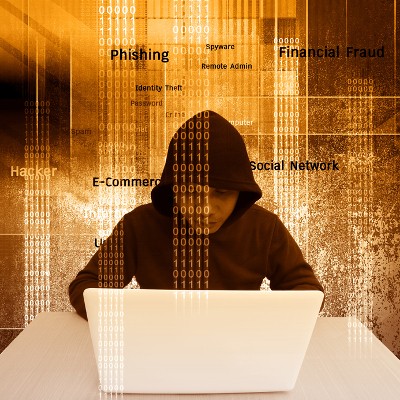
A surprising number of security issues come from inside your organization. User error on the part of the employee can present major problems for your workflow, data security, and the integrity of your business. User error could be something as simple as an employee clicking on the wrong links when they receive a suspicious email in their inbox, or if they are accessing data that they simply have no business accessing in the first place. Sometimes businesses will even completely forget to remove employee credentials when they leave a project or the company creating a breachable hole in your network. Regardless of the reason, user error can be a detrimental occurrence, and one which must be prepared for.

Considering how often hackers target financial credentials like credit card numbers and expiration dates, it’s not surprising that ATMs can provide a wealth of information to them. Hackers are willing to go exceedingly far just to get their hands on these credentials--including physically altering the devices themselves to install skimmers and other technology on them. Unless you know what to look for, it can be difficult to tell if a machine has been tampered with.

There are many organizations in the world that simply can’t have cybercriminals and hackers interfering with their data. One of these organizations, CERN (whose acronym translates to the European Laboratory for Particle Physics) has far too powerful of a computer grid to allow hackers to access it. To keep it safe, CERN has deployed what may be the future of cybersecurity: artificial intelligence.
The ability to vote is considered one of the great rights in the world, putting one’s voice and opinion into action to shape history. However, it has been demonstrated that the electronic voting machines that some states in the U.S. use simply aren’t secure enough to ensure that the democratic process is preserved.
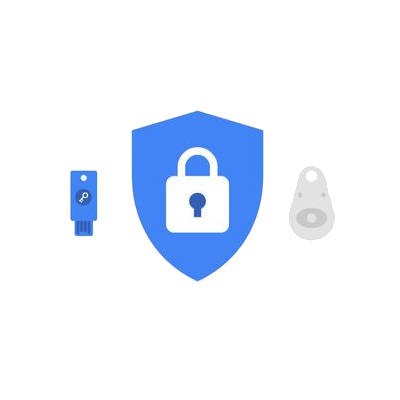
Google is taking steps to protect the data of a small group of its users who run the highest risk of experiencing a data breach or hack. This new service, the Advance Protection Program, shows promise in protecting the information that these select few can access.

Insider threats contribute to a significant number of data breaches. These cases of data exposure are enabled by a member of your staff, whether they intended to harm your business or simply made an honest mistake. With so much focus directed toward the threats out in the world, sometimes we forget that the biggest dangers can be among our ranks. To make up for this, we’ll discuss a few ways to keep insider threats from doing your business too much harm.

Connectivity is one of the major benefits of mobile technology, but some developments have taken this aspect to crazy (and borderline ridiculous) heights. The Internet of Things is forcing businesses to rethink the conventions of connectivity in ways which previously weren’t particularly necessary. Unsurprisingly, the Internet of Things is forcing business owners and normal users alike to remain skeptical of connected technology to a certain degree, and a survey from Cisco showcases this trend perfectly.

Spyware, like other malware, is a problem for any organization. Since your business generates, collects, and uses considerable amounts of data, there are plenty of organizations that want to get their hands on it. You spend so much time and money protecting your data against threats on the Internet, but what if the spyware were to just come standard on the computer you just bought?

We all love the Internet. We all use it almost every day. For this week’s tip, we’ll review a few ways to help keep yourself from getting in trouble while browsing.

With the meteoric rise of Bitcoin’s value, and just as sudden decline to less than half of its highest value, cryptocurrency has been pulled into the public eye. However, cryptocurrency is only one use of blockchain technology. We’ll examine a few of its other potential applications.

Passwords are all over the place these days, whether they’re required to access an online account, or access the devices used to open these accounts. While both types of passwords can make for ideal security conditions, this is only the case if the passwords are strong. If your passwords can be guessed by just about anyone, can you really call it a security measure? New insights from SplashData show that passwords aren’t being considered as much as they need to be.
News & Updates
Businesses will often go into the process of self-improvement with unrealistic expectations for how much they can significantly improve their functionality. This simply is not true, and sometimes business owners need to realize that real change—the k...
Understanding IT
Get the Knowledge You Need to Make IT Decisions
Technology is constantly evolving, and keeping up can feel overwhelming. Whether you want to understand cybersecurity threats, explore automation, or learn how regulations like PCI DSS impact your business, we’ve made it easy to access clear, straightforward insights on key IT topics.
Contact Us
Learn more about what Patriot Tech Services Inc. can do for your business.
Patriot Tech Services Inc.
578 State Route 522
Wheelersburg, Ohio 45694